Skills
Communication & Critical Thinking
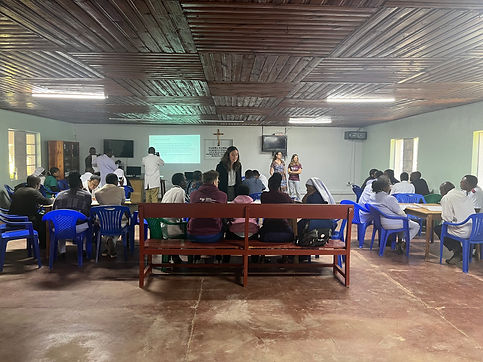
During ten weeks of fieldwork in Tanzania, I quickly discovered that adaptability was essential to success. While studying Kiswahili before my fieldwork gave me a strong foundation, my limited fluency presented real challenges, ones that ultimately pushed me to grow. I developed new ways of communicating across language barriers, learning to interpret non-verbal cues and analyze situations with greater depth and nuance. This allowed me to engage meaningfully in participant observation at the hospital even when words fell short. My critical thinking was further tested when my planned rank-ordering method could not be implemented as originally designed. Rather than seeing this as a setback, I used it as an opportunity to critically assess the situation, identify alternatives, and adapt my methods in ways that led to a more immersive and insightful research experience.
Teamwork
As a Student Ambassador for the Center for African Studies, I was tasked with designing initiatives to increase student engagement and broaden awareness of the Center's opportunities. Recognizing that a one-size-fits-all approach would not resonate with such a diverse student body, I conceptualized an event called "Afriganza" which was a dynamic, interactive experience organized around various geographic regions of Africa, featuring relevant activities and direct connections to Center resources. The event came to life through genuine collaboration among fellow ambassadors, affiliated faculty, and professors, each contributing their unique perspectives and expertise. The result was one of the most successful events the Center had hosted, drawing a record-breaking number of attendees and sparking renewed interest in African language courses and related programming.


Global & Cultural Engagement
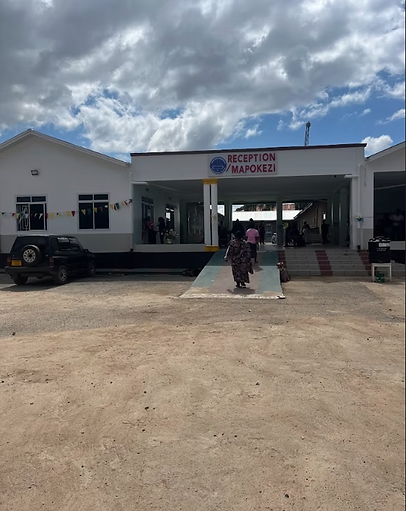
Every facet of my involvement in the International Scholars Program deepened my global and cultural awareness in meaningful ways. Completing three years of Swahili at UF gave me more than language proficiency, it offered a window into East African history and the profound ways in which language shapes cultural understanding and identity. My African Studies minor expanded this foundation further, challenging me to think critically about complex social and global issues, trace their historical roots, and examine them from perspectives beyond my own. Conducting fieldwork in Tanzania brought these academic insights to life, immersing me in a cultural context that continuously challenged my assumptions and broadened the way I engage with the world.
.jpeg)

Professionalism & Leadership
My professional growth at UF has been shaped by a series of experiences that pushed me beyond the classroom and into spaces that demanded excellence, clarity, and confidence. Presenting my research at the Undergraduate Research Symposium in Spring 2025 was my first opportunity to share my findings with a broad audience, and it challenged me to communicate complex anthropological concepts in a way that was accessible to students of all backgrounds. That experience laid the groundwork for presenting at the Anthropological Association conference in November 2025, where the stakes were higher and the standard of professionalism even greater. Beyond presenting, I have embraced a broader sense of leadership and initiative, most notably through my decision to write a book on conducting social science research at the undergraduate level. This book is designed to guide students who are just beginning and feeling overwhelmed, and this project is now under advanced contract, with the full manuscript expected by December 2026.